
CMS didn’t just invite pharmacies into the Rural Health Transformation Program. It built a financial obligation around them.
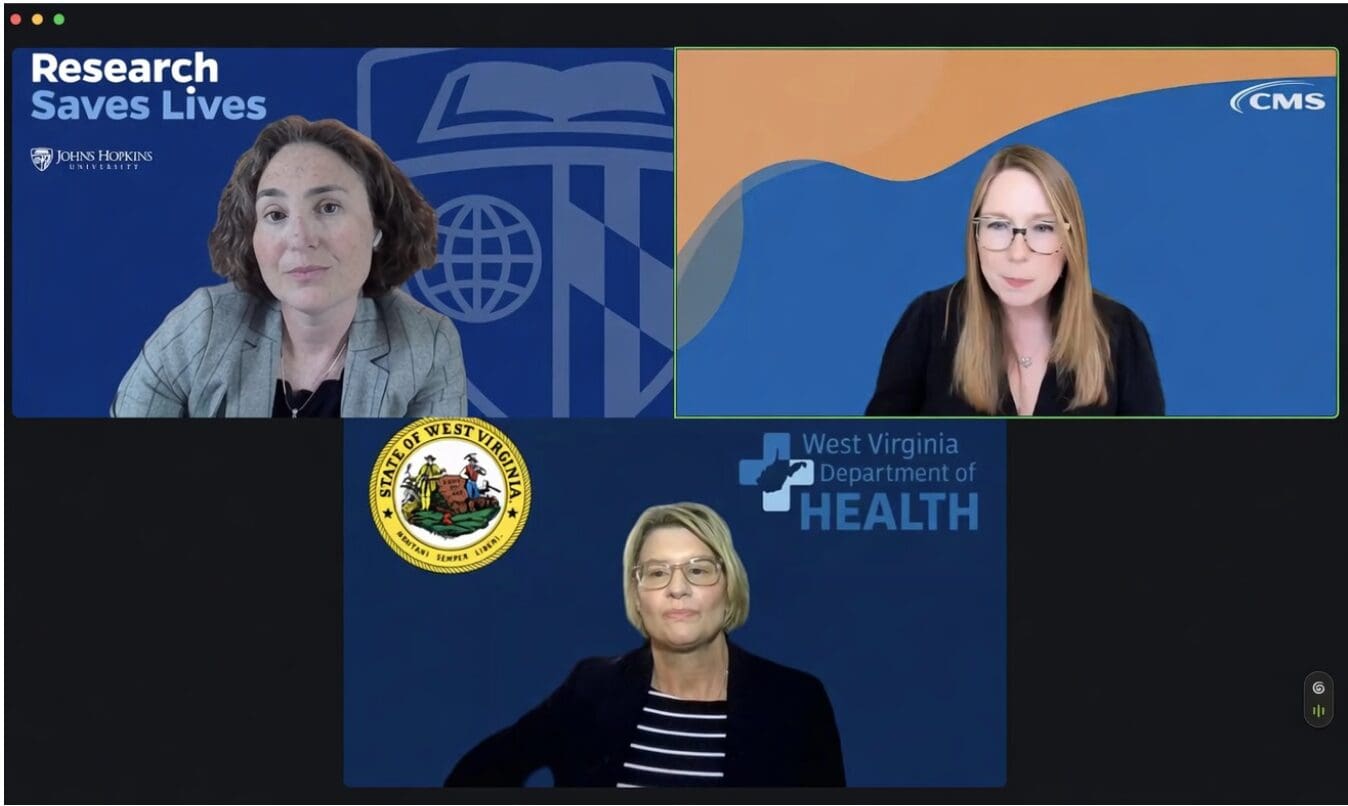
Earlier this week, Truentity Health CEO Mike Desai attended the Health Affairs Policy Spotlight webinar where CMS Deputy Director Kate Sapra confirmed what the Notice of Funding Opportunity (NOFO) already established: pharmacist scope-of-practice expansion is a scored criterion worth up to 100 points. States that committed to scope-of-practice changes and don’t follow through by December 31, 2027 face point reduction to zero and recovery of funds previously distributed on that factor. Remote patient monitoring carries a binary score, 100 points if Medicaid reimburses it, zero if not. The first annual report is due August 30, 2026. States don’t just need programs on paper. They need checkpoint evidence: utilization data, metric baselines, documented people served.
Truentity PACT and Truentity ANCHOR were built for this moment
PACT, Pharmacy Activated Chronic Care through Trust, is our foundation program. It activates community pharmacies as chronic care delivery sites through Medicare CPT billing, without adding clinical staff. Across pharmacy sites in North Carolina, Missouri, and Iowa, PACT is producing 11 to 15 mmHg reductions in systolic blood pressure and 1.0 to 1.6 percent reductions in A1C, at mid-to-high 80 percent patient engagement rates. The industry baseline for remote patient monitoring is 30 percent. The gap is the pharmacist-patient trust relationship.
ANCHOR, Advancing Networked Care for Health Outcomes in Rural Communities, extends that same infrastructure to uninsured and underinsured rural populations using RHTP grant funding. The sustainability answer CMS requires is built in. When grant funding ends, patients with Medicare coverage transition to PACT. No new infrastructure. No extended grant dependency.
The NOFO names five strategic goals for rural health transformation: new access points in underserved communities, top-of-license care delivery, innovative care models, sustainable payment mechanisms, and technology infrastructure. PACT and ANCHOR address all five. Pharmacist-led chronic disease management under physician governance covers the first two. RPM billing through standard Medicare CPT codes covers the third and fourth. Real-time data transmission and audit-ready checkpoint documentation cover the fifth. Every scored requirement states must now demonstrate is already operating in our network.
States made the commitment. The clock is running.
Tags: CMS RHTP